
Why Drilling Through NC Granite Matters for Your New Well
If you’ve lived in Raleigh, Wake Forest, or Louisburg for more than a week, you know about our red clay. But as a well driller with over 30 years of experience in this dirt, I can tell you that the clay is just the "wrapper." The real story starts about 50 to 100 feet down when we hit the North Carolina Granite.
When you’re planning a new well, understanding what’s happening underground is the difference between a "good price" and a "good well." Here is what I’ve learned from three decades of drilling through the toughest rock in the Piedmont.
1. The "Piedmont Rock" Challenge
Raleigh and Franklin County sit right on the Piedmont Plateau. Beneath our feet is a massive shelf of crystalline rock—mostly granite and diorite.
While some drillers in the eastern part of the state are drilling through sand and soft limestone, we are dealing with some of the hardest material on the East Coast. You can’t just "dig" a well here; you have to earn it.
2. Air-Hammer vs. The Hard Stuff
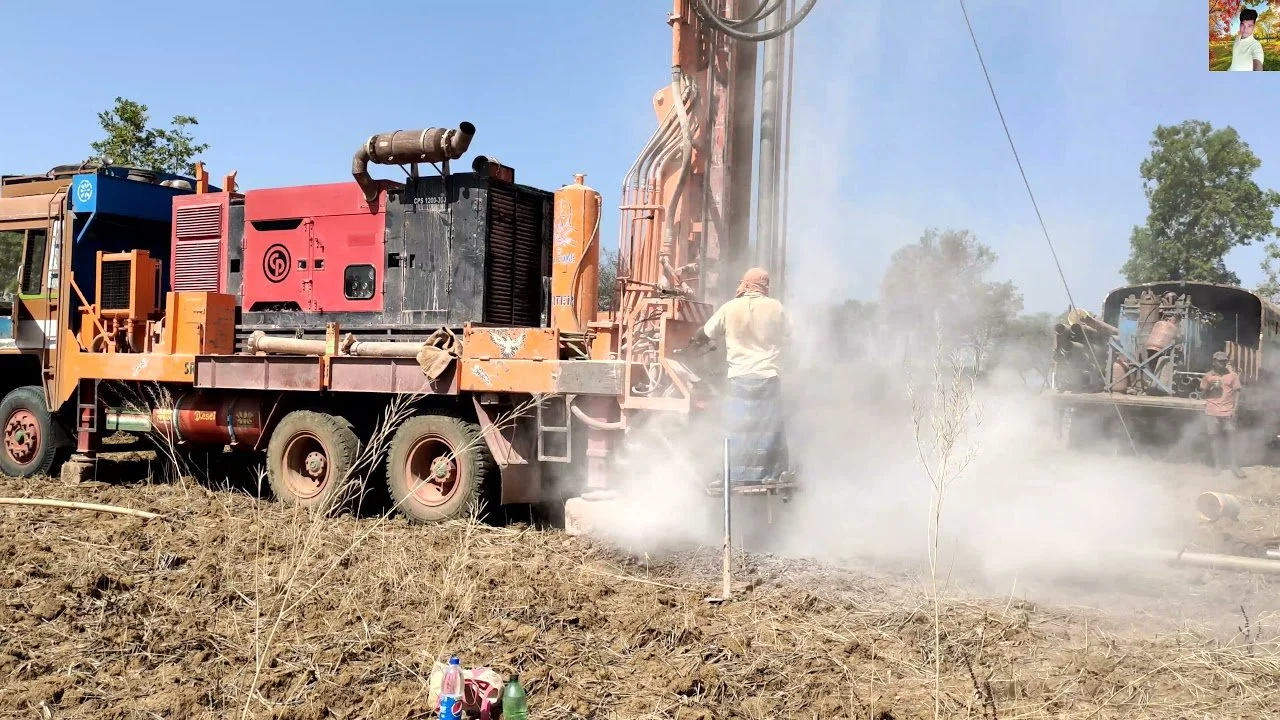
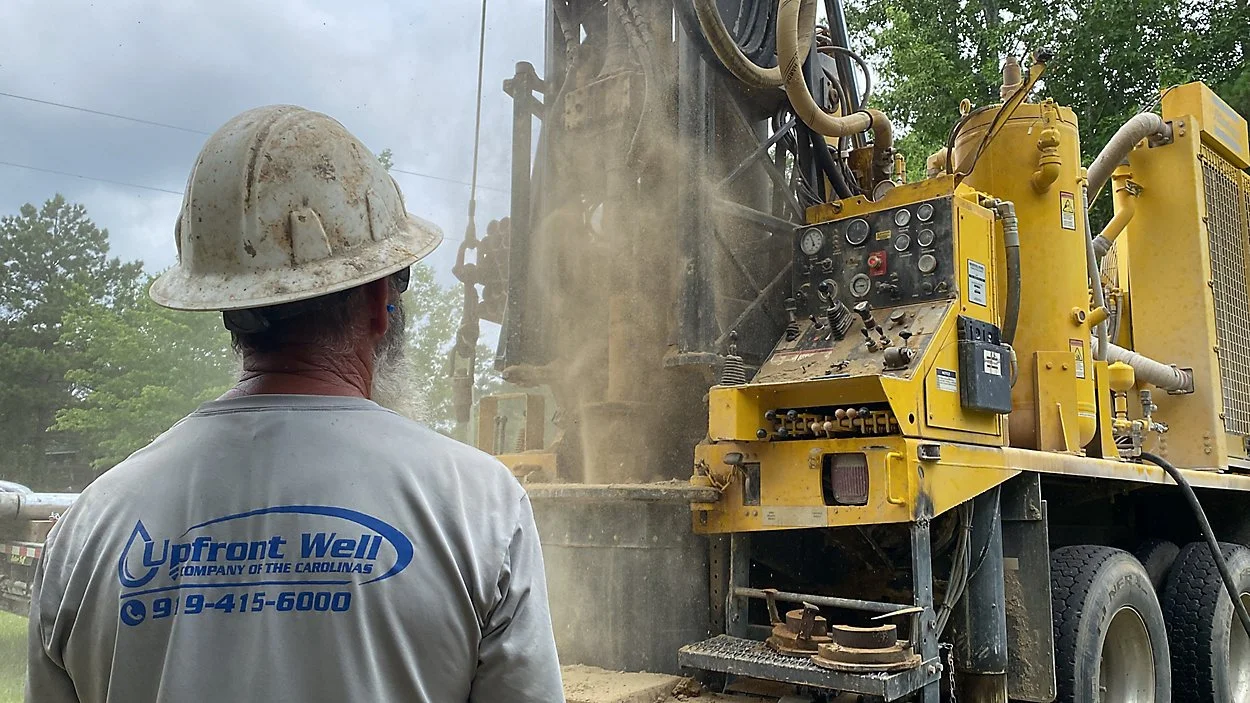
To get through NC granite, we don't use standard "mud rotary" bits that you might see in the coastal plains. We use High-Pressure Air-Hammer Drilling.
Think of it like a giant, truck-mounted jackhammer. It uses compressed air to pulverize the rock into dust and blow it out of the hole.
The Benefit: It’s fast and efficient.
The Catch: It’s tough on equipment. If a driller isn't experienced with the specific "seams" and fractures in our local granite, they can get a bit stuck or lose the hole entirely.
3. Why Granite is Actually Good for Your Water
It might sound like a headache, but hitting granite is actually a blessing for a homeowner.
Natural Filtration: Granite acts as a massive, ancient filter. Water that travels through these deep rock fractures is typically much cleaner than "surface water" found in shallow, bored wells.
Structural Integrity: A well cased into solid rock is incredibly stable. Unlike sand wells that can "silt up" over time, a rock well in Franklin County is built to last a lifetime.
4. Being "Upfront" About the Cost
I named this company Upfront Well Company because I don't believe in "sticker shock." Drilling in rock costs more than drilling in sand—there’s no way around it. It takes more fuel, more expensive diamond-tipped bits, and more time.
When I give you a quote for a well in Louisburg or Raleigh, I’m factoring in that granite. A&T and other big outfits might give you a "base price," but I’ll tell you exactly what it takes to get through the rock and into a clean, flowing aquifer.
Felton’s Pro-Tip:
If you’re building a new home in the Triangle, always ask your driller: "How do you handle the transition from the saprolite (soft top layers) to the bedrock?" If they don't have a clear answer about their casing and grout strategy, keep looking.
Meet Your Expert:
Felton Jacobs | Founder & Master Well Contractor Felton Jacobs isn't just the name behind the company; he’s the boots-on-the-ground expert who has been drilling through North Carolina's tough Piedmont rock since 1989. With over three decades of hands-on experience, Felton has seen every water challenge Raleigh and Franklin County have to offer.
Professional Credentials:
NC Certified Well Contractor: Level A (Highest Certification Level)
Specialization: High-Pressure Air-Hammer Drilling & Complex Pump Systems
Memberships: Active member of the North Carolina Ground Water Association (NCGWA) and the National Ground Water Association (NGWA).
Local Authority: 35+ years serving Louisburg, Raleigh, Wake Forest, and the surrounding Triangle area.
“At Upfront, we don’t just drill holes; we build reliable water systems for our neighbors. My goal is to make sure every customer gets an honest assessment and a well that lasts a lifetime.” — Felton Jacobs